
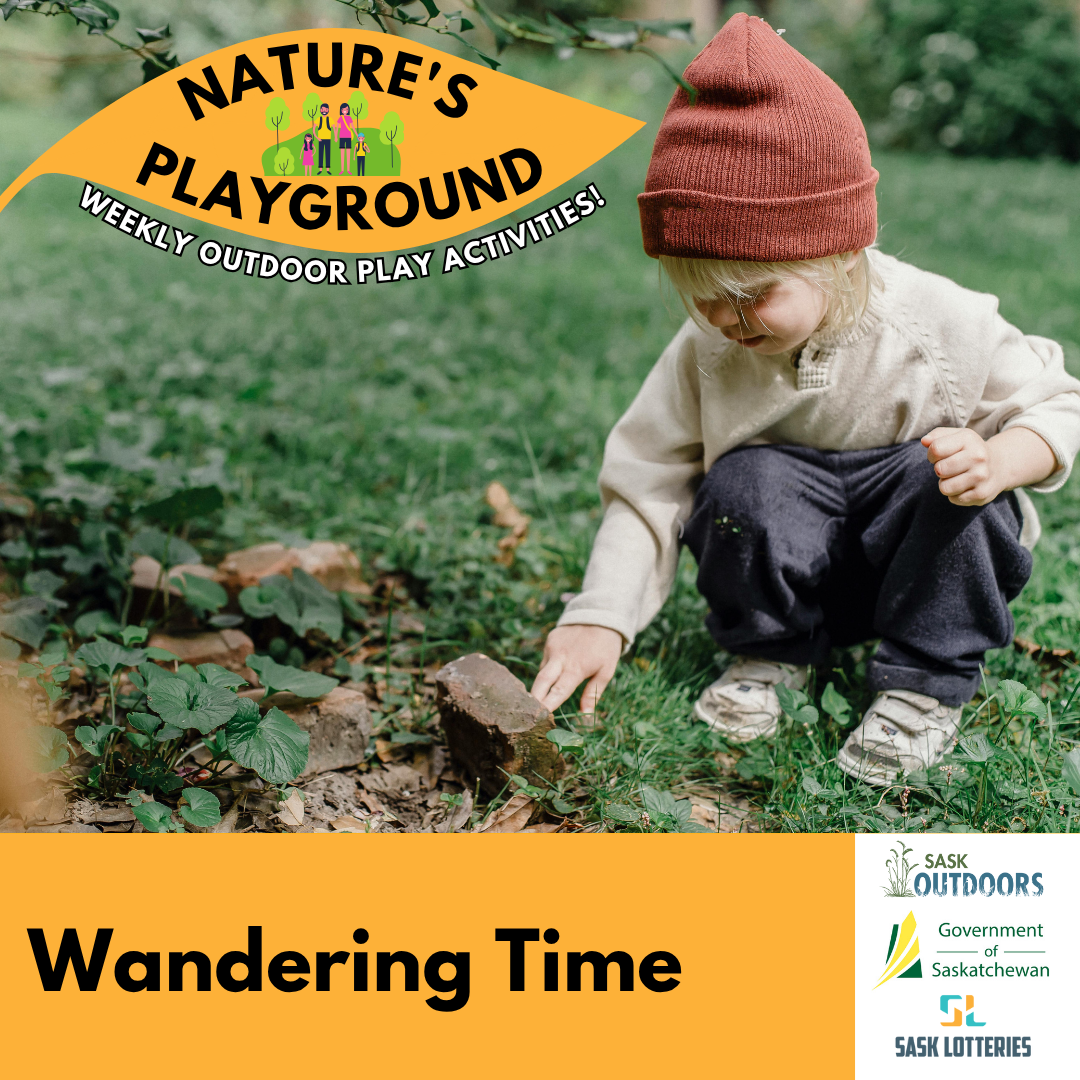
Wandering Time
Step into the wild and let curiosity take the lead as children explore freely, following their senses and imagination through a natural space with no set destination.
What You Do:
- Set the Stage & Invite Exploration:
Bring children to a safe, defined natural area such as a forest, meadow, park, or schoolyard. Let them know there are no rules on where to go—just follow what interests them. - Wander & Observe:
Children roam freely at their own pace. Some might climb logs, crouch to inspect insects, follow animal tracks, or simply sit and listen to the wind. Adults observe quietly, stepping in only for safety or gentle redirection if needed. - Reflect & Share:
After wandering, gather together in a circle or sitting spot. Invite children to share what they saw, heard, felt, or wondered. There are no right answers—just reflections from their unique experiences.
What You Need:
- A safe, natural space for exploration (forest edge, field, garden, park, or nature trail)
- Clear boundaries or markers to define how far children can go
- Optional: journals, clipboards, or nature sketchbooks
- Optional: sit spots (mats, logs, or natural seating areas) for quiet reflection afterward
Safety Considerations:
Set clear physical boundaries before beginning (landmarks, flags, cones, or natural markers). Ensure adult supervision and periodic check-ins if children are more spread out.
Review basic nature safety: avoid unknown plants, don't disturb wildlife, and move mindfully.
Remind children to stay within sight or earshot and have a signal to call everyone back if needed. Dress for the weather and terrain (appropriate shoes, sun protection, etc.)
Benefits:
Intellectual Benefits: Builds curiosity, observation skills, and inquiry-based thinking. Encourages independent learning through real-world sensory experiences. Sparks questions about the environment, animals, plants, and seasons.
Emotional Benefits: Promotes self-regulation and confidence through independent choice-making. Fosters a sense of peace and calm by slowing down and tuning in to nature. Encourages reflection and connection with one’s own thoughts and feelings.
Physical Benefits: Involves natural movement such as climbing, balancing, walking, or crawling. Develops coordination, agility, and spatial awareness. Offers healthy outdoor activity in a relaxed, pressure-free setting.
Spiritual Benefits: Encourages a deepened sense of wonder and reverence for the natural world. Fosters presence and mindfulness by letting go of structured goals. Nurtures a personal, intuitive relationship with the land.